Play Therapy in Houston, TX
Introduction to Play Therapy for Children in Houston, TX
Maybe school mornings bring tears, small frustrations become big outbursts, or your child seems quieter than usual. You want to help, but finding out what’s wrong isn’t always easy.
At Rivers Edge Counseling + Wellness, we welcome Houston families into a caring space where children can express themselves through play. Our Montrose office offers a place to begin understanding what your child needs.

What Is Play Therapy?
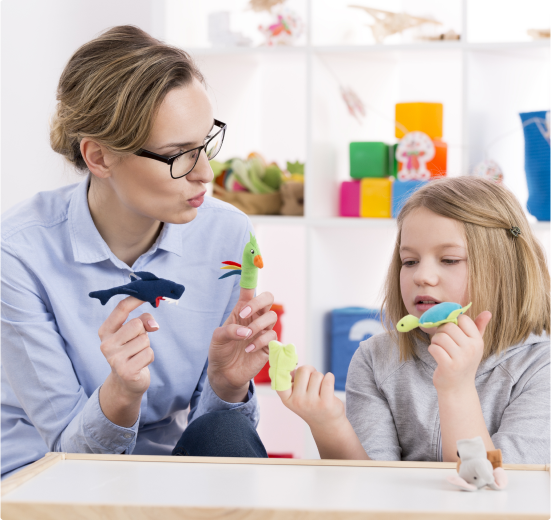
Children don’t always have words for what they’re experiencing. Play therapy gives them another way to communicate.
Through a therapeutic relationship, children can use play to explore feelings, work through challenges, and practice new responses.
The goal is to help your child feel understood while developing skills for managing emotions and connecting with others.
Play Therapy Techniques That Meet Children Where They Are
Sessions may include child-led play or activities introduced by the therapist, depending on your child’s needs and the approach used.
- Pretend play: Toys and storytelling offer ways to explore experiences.
- Creative activities: Drawing, puppets, or sand tray play can support expression.
- Games and interaction: Shared activities provide opportunities to practice communication and problem-solving.
Your child doesn’t need to perform or find the “right” words.


Your Role in Your Child’s Counseling
You know your child in ways no one else does. Your observations help the therapist understand what’s happening at home, at school, and with friends.
Ask how you can participate through parent conversations, shared goals, or activities at home. You can also share changes you notice and questions that arise. Supporting your child should include space for you to feel supported, too.
Frequently Asked Questions for a Registered Play Therapist in Houston, TX
What ages is play therapy appropriate for?
Play therapy is commonly used with children ages 3–12, although play-based approaches can be adapted for other ages. Your child’s developmental needs and comfort with different ways of communicating matter, too. Contact our Houston team to discuss your child’s age and find out whether an available counselor may be a good fit.
How do I know if my child needs play therapy?
Persistent worries, frequent outbursts, withdrawal, or difficulty with school and friendships may be reasons to explore counseling. Children may also need support after a loss, family change, or frightening experience. You don’t need to identify the cause before reaching out. An initial conversation can help clarify your concerns and possible next steps.
How is play therapy different from playing at home?
Play at home offers valuable connection and enjoyment. Play therapy adds a therapeutic purpose and a professional relationship focused on your child’s needs. The therapist uses play to support expression and work toward agreed-upon goals. Activities may look familiar, but they take place within a planned counseling process.
Will I be in the room during my child’s sessions?
Parent involvement depends on the therapy approach, your child’s needs, and the plan developed with your therapist. Some sessions may include you, while others give your child time with the therapist individually. Your counselor can explain how you’ll stay involved and discuss ways to support your child at home.
How long does play therapy take?
The length of therapy varies based on your child’s needs, goals, and progress. Your therapist can discuss an initial plan and revisit it with you as counseling continues. Contact our Houston team to ask about session length, scheduling, and what to expect when getting started.
Importance of Play Therapy
Children don’t always have the words to say what they feel—but they do have play. Play therapy for children provides tools to process emotions, solve problems, and build confidence. As a parent, you don’t have to figure it all out alone. With professional support, both you and your child can find a healthier way forward.
Meet Our Team